The Greater Toronto Area has century homes, post-war bungalows, subdivision houses from every decade since, and brand-new builds. Building practice changed a great deal over that time, so two houses a few streets apart can lose heat in completely different ways.
Your address tells you less than your home’s age does. Find your era below. These are general patterns, and any individual house can differ, so treat them as a starting point for an inspection.
If your home was built before the 1950s
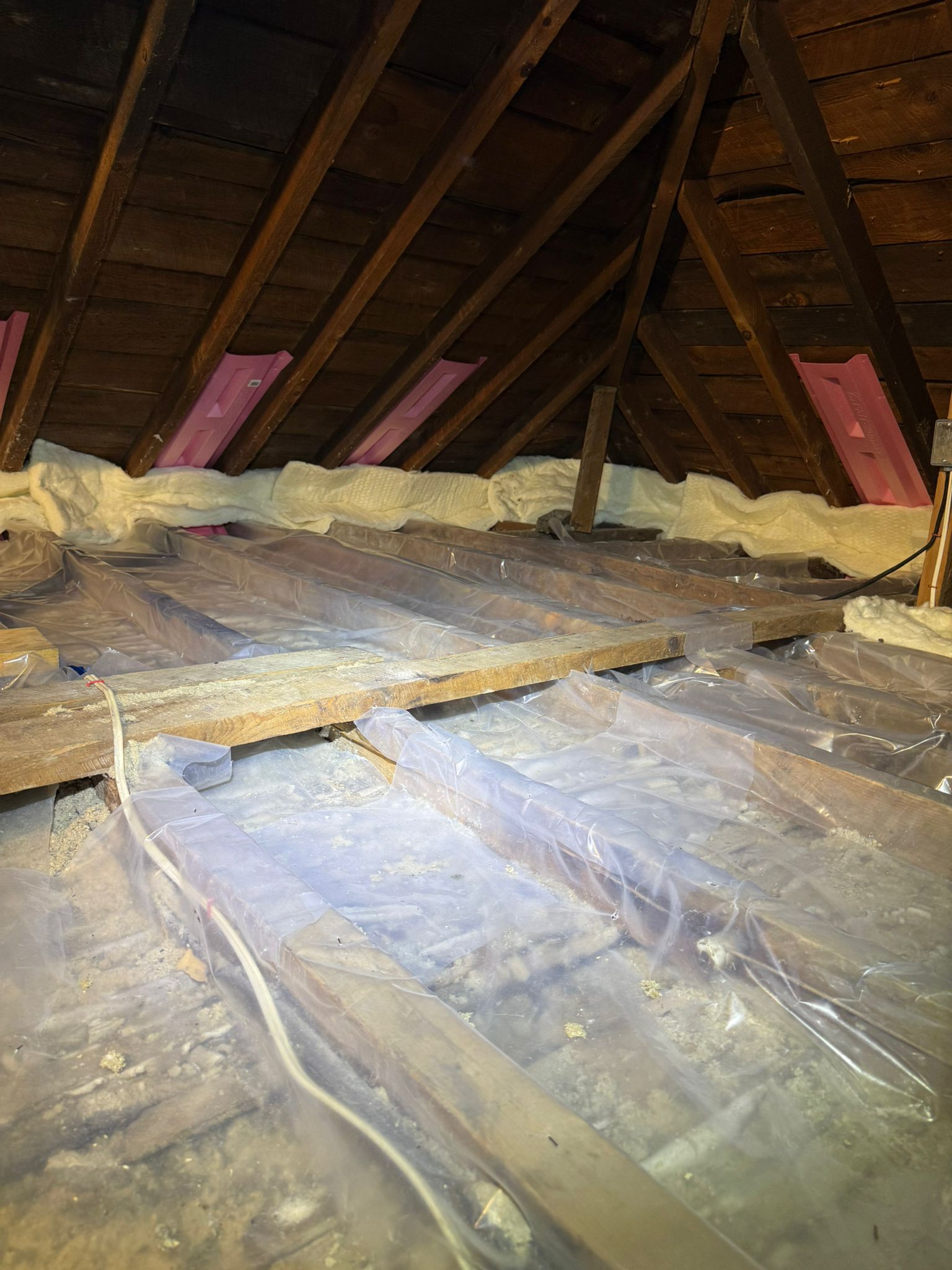
What is common: little or no original insulation, later top-ups of mixed quality, open framing cavities that let air travel freely, and plaster walls with nothing behind them. Attics may be small, sloped or hard to reach.
What to do
- Have the attic inspected before anything is disturbed. Loose grey-brown granules may be vermiculite, which Natural Resources Canada advises leaving undisturbed.
- Seal the large air pathways first. Natural Resources Canada’s Roofs and attics guide says attic air leaks can account for substantial heat loss.
- Fill empty walls with drill and fill insulation. The same source notes that uninsulated walls can lose more heat than a typical attic.
- Use spray foam insulation on uneven foundation walls and rim joists.
If your home was built from the 1950s to the 1970s
What is common: bungalows, split-levels and storey-and-a-half homes with some insulation, but far less than is expected now. Large ceiling area relative to the size of the house.
What to do
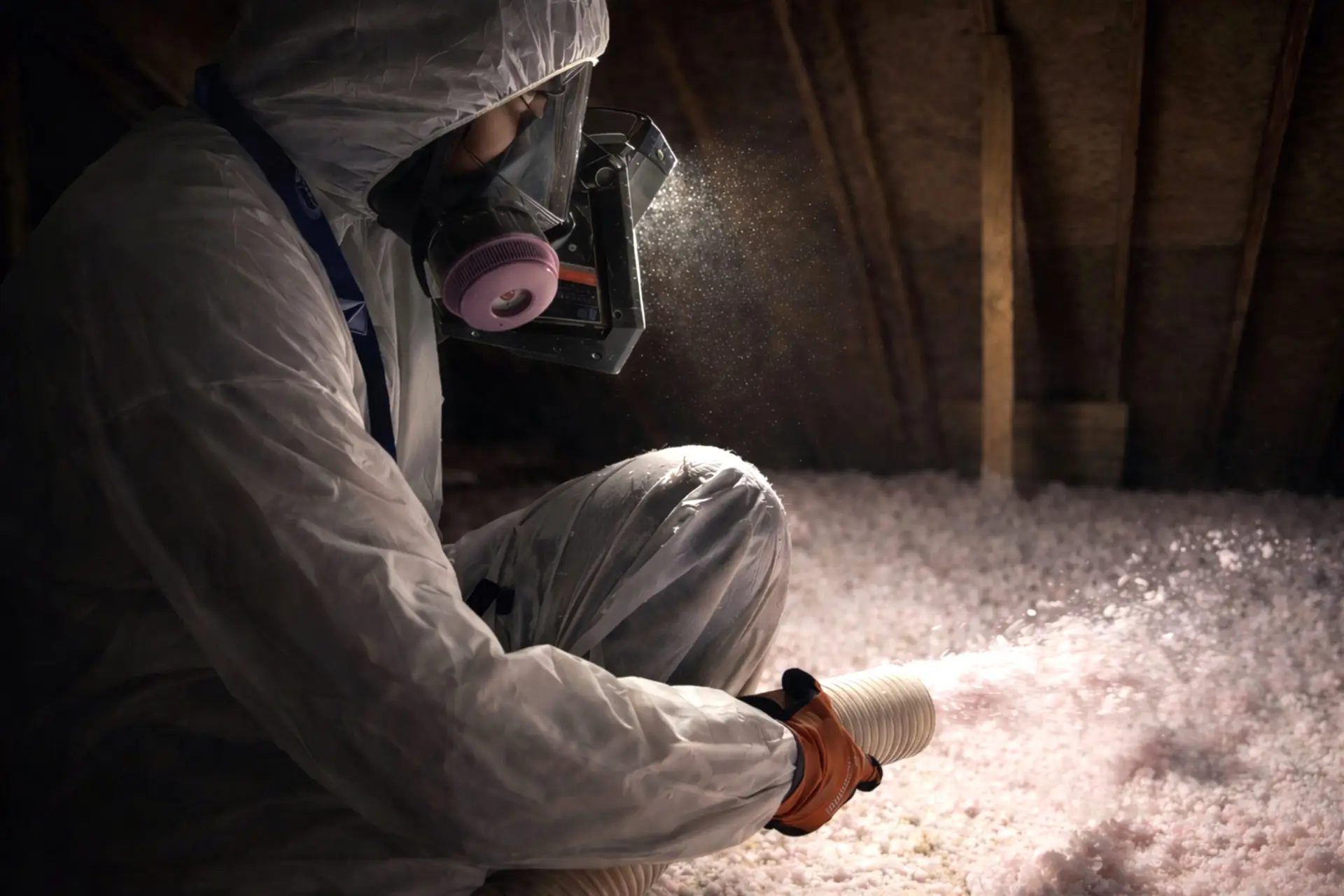
- Top up the attic. This is usually the highest-value job in this group. See our attic insulation service in the GTA, using blown-in cellulose or fibreglass.
- Remove old material first if it is wet, mouldy or contaminated. See attic mould and insulation removal in the GTA and our removal service.
- Insulate the basement walls with blanket wrap insulation or spray foam.
If your home was built from the 1980s to the early 2000s
What is common: two-storey subdivision homes with attic insulation that met the standard of the day and has since settled. Bathroom fans and pot lights added over the years. A bedroom over the garage.
What to do
- Check attic depth and top up where it is low or uneven.
- Make sure soffit vents are open, and add baffles where they are missing.
- Confirm bathroom fans vent outdoors and not into the attic.
- Treat the cold room with garage ceiling insulation.
If your home is newer
What is common: a tighter house with more insulation, but not always evenly installed, and often disturbed by other trades after the insulators left.
What to do
- Look in the attic anyway. Uneven or displaced insulation is easy to correct.
- If you are finishing the basement, upgrade the wall insulation before the drywall goes up.
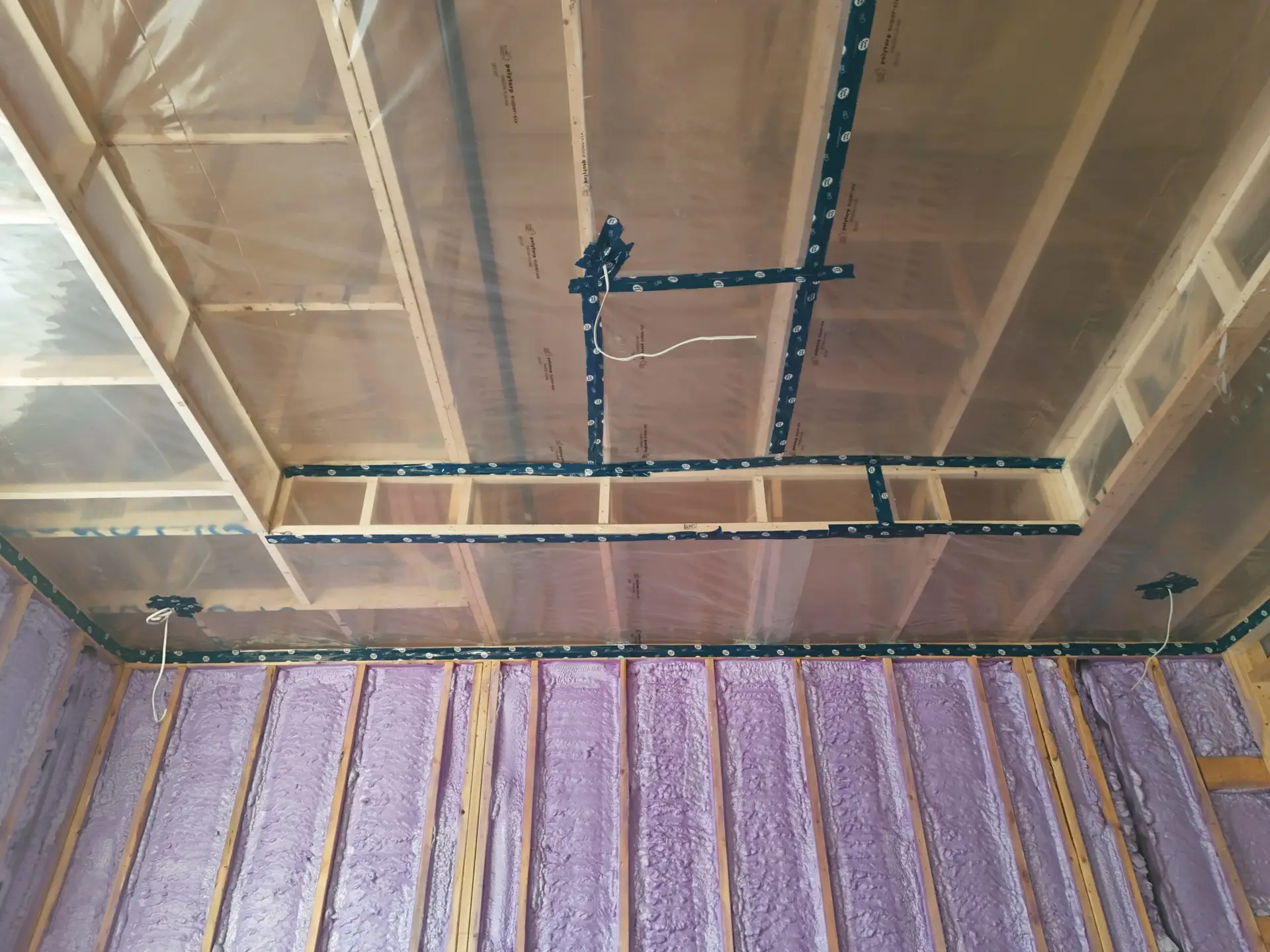
- For remaining drafts, consider AeroBarrier.
What every era has in common
- Air sealing comes before insulation. Insulation over open gaps still leaks heat.
- The attic needs ventilation. A better-insulated attic runs colder, so moisture must be able to escape.
- Cheap fixes still count. Weatherstrip doors and the attic hatch, caulk window trim, change the furnace filter. Natural Resources Canada’s materials guide covers the products.
Go deeper
- Attic insulation in the GTA: the complete homeowner’s guide
- How to know if your attic needs more insulation
- Matched to your home’s era, not just its address
- Spray foam insulation in the GTA: the complete guide
Savings and rebates
The U.S. EPA estimates that air sealing and adding insulation in attics, crawl space floors and basements saves an average of 15% on heating and cooling costs (ENERGY STAR). That is a modelled average for typical U.S. homes. Older, leakier houses and newer, tighter ones will land in different places.
For rebates, see the complete 2026 guide to insulation rebates in the GTA and our energy rebate page.
Not sure of your home’s era, or what it means?
Contact us for an estimate and we will tell you what we find.